

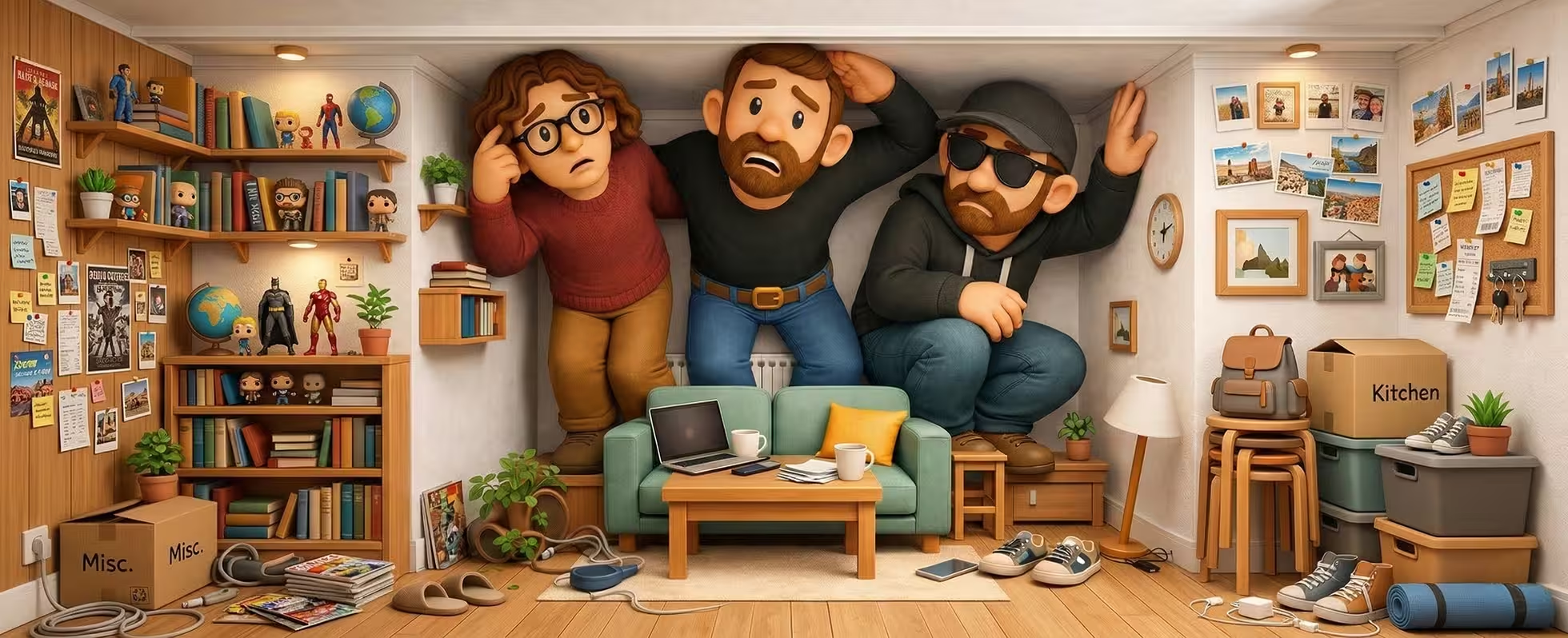
Moving into a cozy new small apartment is exciting. It looks great on paper. But then you look at your oversized sectional sofa, your California King bed, and that massive solid oak desk, and reality hits.
How on earth are you going to get all of that through a 30-inch doorway or up a narrow stairwell?
Don't panic. Moving large furniture into tight spaces is a challenge, but it is not impossible. Here is your essential guide to navigating the squeeze, avoiding damage, and keeping your sanity.
1. The Hard Truth: Purge Before You Pack
The first step to fitting furniture into a small apartment is accepting that some of it might not belong there. Small spaces require strategic choices.
Before you even book the moving truck:
- Be Ruthless: Do you really need that massive 10-person dining table? If you are moving from a three-bedroom house to a studio, items designed for large spaces will simply suffocate your new home.
- Sell, Donate, or Store: If an item won't fit the layout or will block essential pathways, sell it or donate it. If it’s a precious antique, consider professional storage until you move to a bigger place. Do not pay to move furniture that you will eventually have to replace. We actually have several articles for this very purpose - for Calgary, Toronto, or Vancouver.
2. The Trap of "It Fit Before"
The biggest mistake people make is assuming that because furniture fits into their old home, it will effortlessly glide into the new one. Small apartments, especially in older buildings, have unique architectural hurdles.
The Golden Rule: Never guess. Measure everything.
- Your Furniture: Measure the absolute widest, tallest, and deepest points of your largest items.
- The Journey: Measure doorways (width and height), hallway widths, ceiling heights in tight corners (very critical!), stairwell clearance, and elevator dimensions.
3. The Sofa Dilemma: Doors, Halls, and Elevators
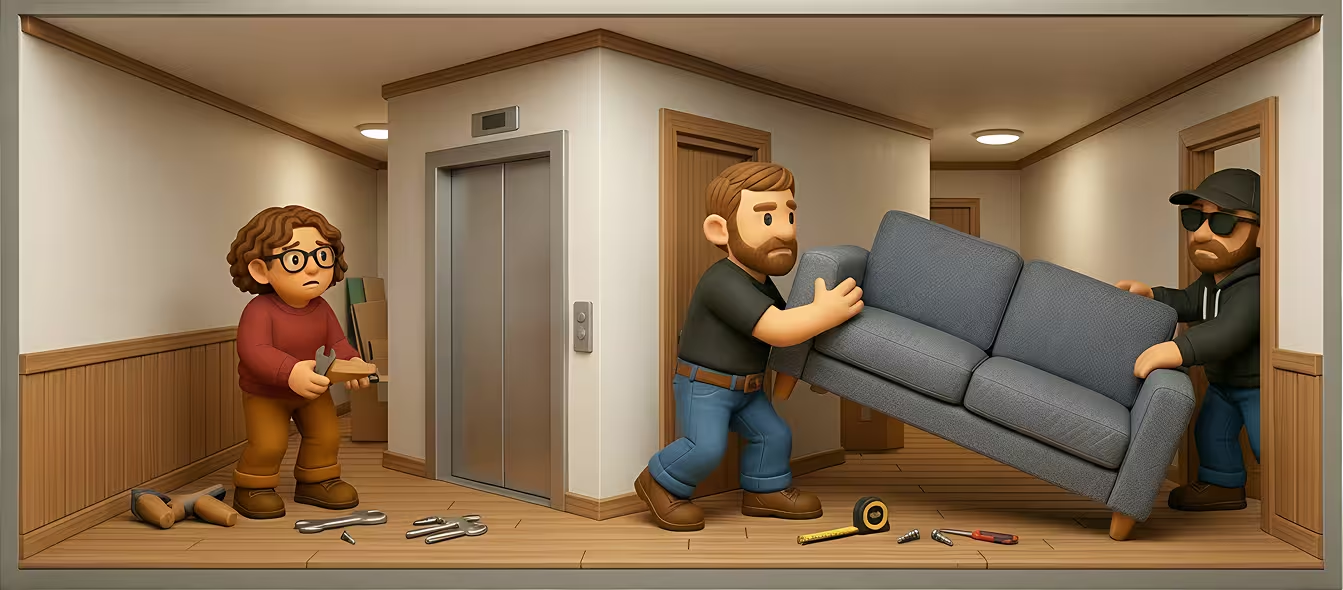
The sectional sofa is the archenemy of the small apartment move. Often, people arrive at their new building only to discover that the sofa is three inches too long for the elevator cabin or simply won't turn the corner in the narrow hallway.
Strategic Tips:
- The Stand-Up Method: If the ceiling is high enough, try maneuvering the sofa vertically (standing it on one arm) through doorways or elevators.
- Remove the Legs: This seems obvious, but taking off the sofa legs can shave critical inches off the height, often making the difference between fitting through a door or being stuck on the sidewalk.
- Back Removal: Some modern reclining sofas allow the backrest to be detached. Check your manufacturer’s guide.
4. When All Else Fails: Hoisting (Moving Through the Window)
You’ve measured, you’ve tilted, you’ve disassembled, and that antique cabinet or grand piano still won't go up the stairs. In tight modern-style buildings or older urban areas, this is common.
The Extreme Solution: Hoisting (Rigging)
- What it is: Professional movers use specialized straps, cranes, or lift platforms to bring large items up the outside of the building and through a large window or balcony door.
- Important Height Constraints: It is crucial to understand that hoisting is not a universal solution for every apartment move. This service has clear height limitations based on the equipment used. Generally, hoisting is only viable for low-to-mid-rise buildings. Standard specialized rigging equipment usually has a maximum safe height limit of around 10 to 12 stories, though this varies significantly depending on the specialized equipment available to the moving company and the building’s accessibility from the street. If your new unit is on the 20th floor, hoisting will likely not be an option.
- When you need it: If an item is solid, non-disassemblable, and simply won't fit the building’s internal infrastructure.
- Don't DIY: Hoisting is extremely dangerous without professional equipment and experience. It requires understanding weight distribution and building safety protocols.
5. The Art of Disassembly and Reassembly
If your furniture arrived in a box (think IKEA or flat-pack), it leaves in a box (metaphorically). Items that were assembled inside a room are often too bulky to leave as a single unit through a standard door.
The Reality Check: You will have to take it apart.
- Take Photos: Before you remove a single screw, take detailed photos of the furniture and how it connects. This is your blueprint for reassembly.
- Bag and Tape Hardware: Place all screws, bolts, and small tools in labeled Ziploc bags and keep it with the furniture or in a separate box with all other screws from other furniture.
- Disassemble Strategically: Focus on removing protruding parts like bed frames, table legs, and desk tops. The goal is to make everything as "flat" and manageable as possible.
6. Protect the Space (and Your Security Deposit)
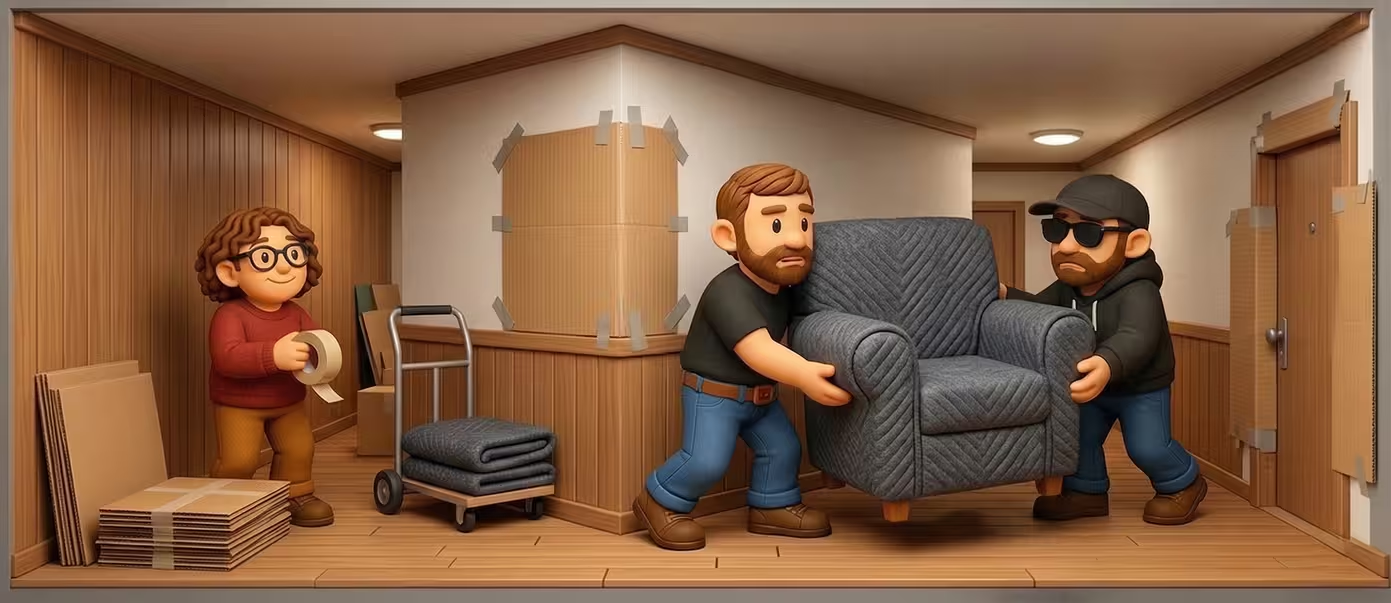
In a tight hallway, a single slip with a bulky armchair can slash the paint or dent the drywall. When moving into a small rental, damage to the building can quickly eat up your security deposit.
- Wall Protectors: Consider taping temporary cardboard sheets to the tightest corners of the hallways or doorframes of the apartment building (with management permission).
- Furniture Pads are Must: Thick moving blankets don't just protect the furniture; they cushion the blow if the item accidentally knocks against a wall during a tricky turn.
Still Worried? Hire Professionals.
Small apartment moves are the Olympics of furniture maneuvering. Sometimes, "pivoting" isn't enough. Professional movers possess specialized tools and, crucially, the experience to know exactly how to guide a large item through a tiny space without scratching the paint off the walls — or breaking the sofa.
We at Cactus Moving specialize in small apartment moves. We’ve seen every narrow elevator, tight balcony, and awkward corner imaginable. Contact us today, and let us handle the tight squeeze!