


Moving heavy furniture is hard work, but moving heavy and breakable items is a challenge. One slip can mean a shattered mirror or a broken TV screen.
Here is your step-by-step guide to answering the most common questions about packing difficult items.
Before you start, make sure you have the right tools:
- Moving blankets
- Bubble wrap
- Tape
- Boxes
- Foam corners
- Stretch wrap (shrink wrap)
How to pack a flat-screen TV for moving?
The Golden Rule: Never lay a flat-screen TV flat. Always keep it upright during transport.
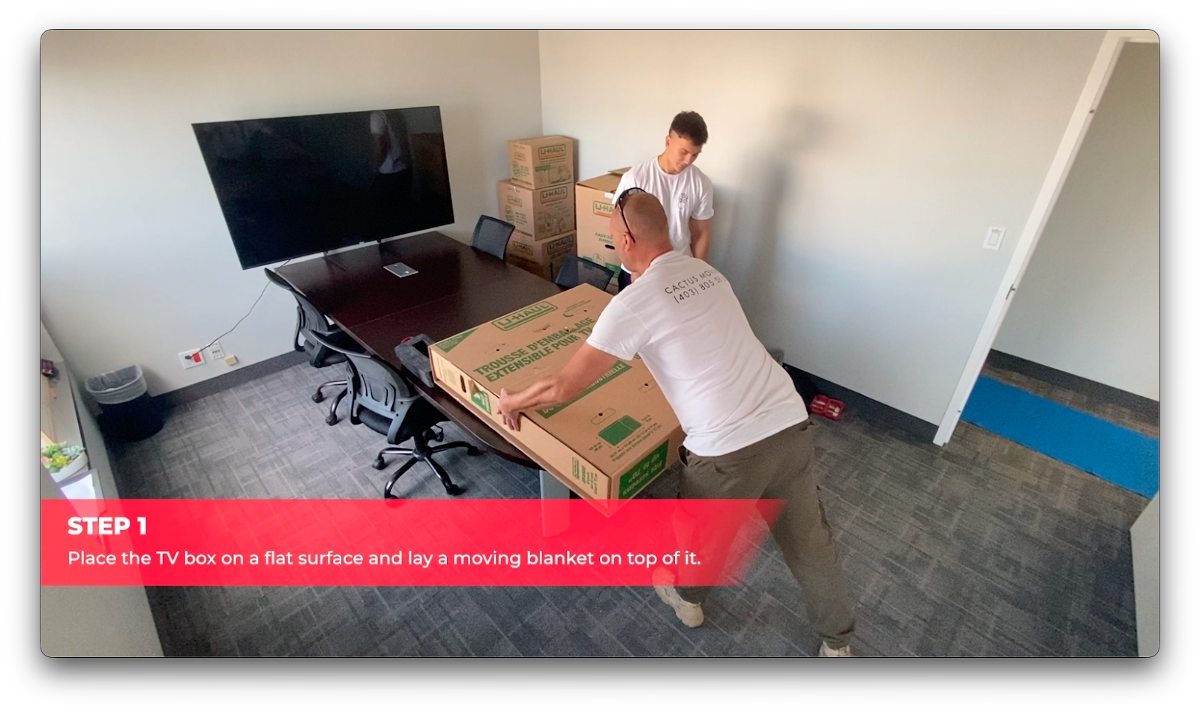
Step 1. Put a TV box on the even surface and place a moving blanket on top of it.

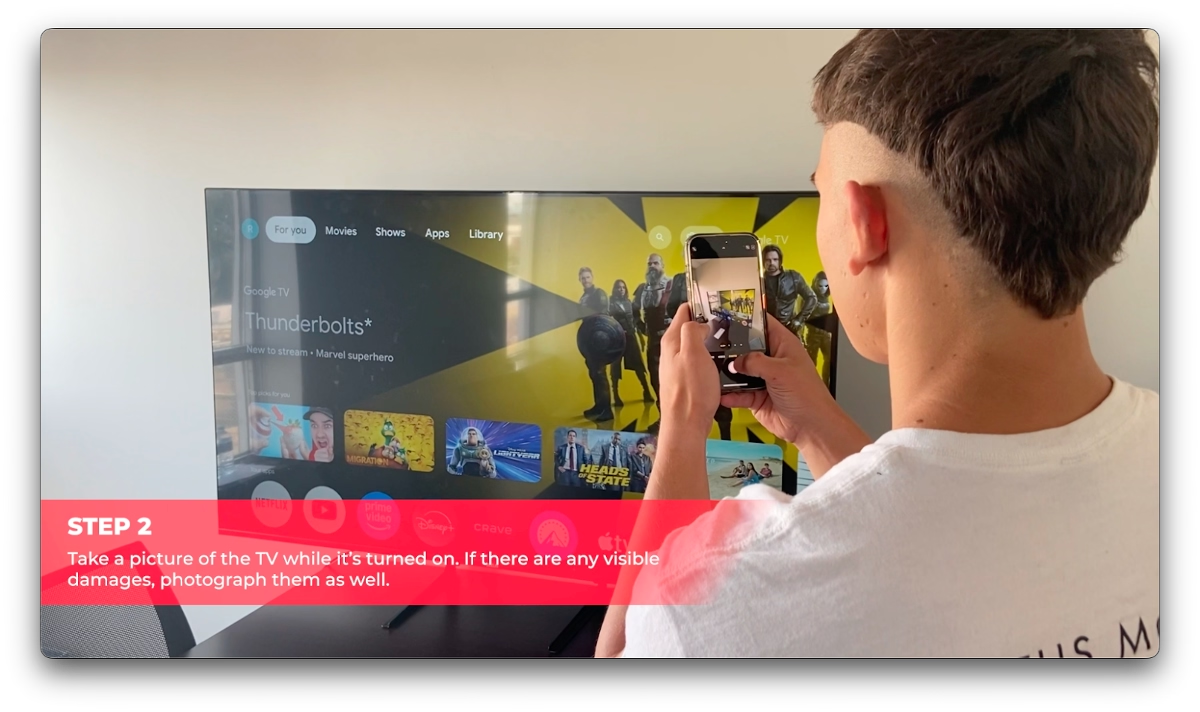
Step 2. Take a picture of a TV when it’s turned on. If a TV has visible damages take a picture of them as well. This way you will protect yourself in case any damage occurs during the transportation.
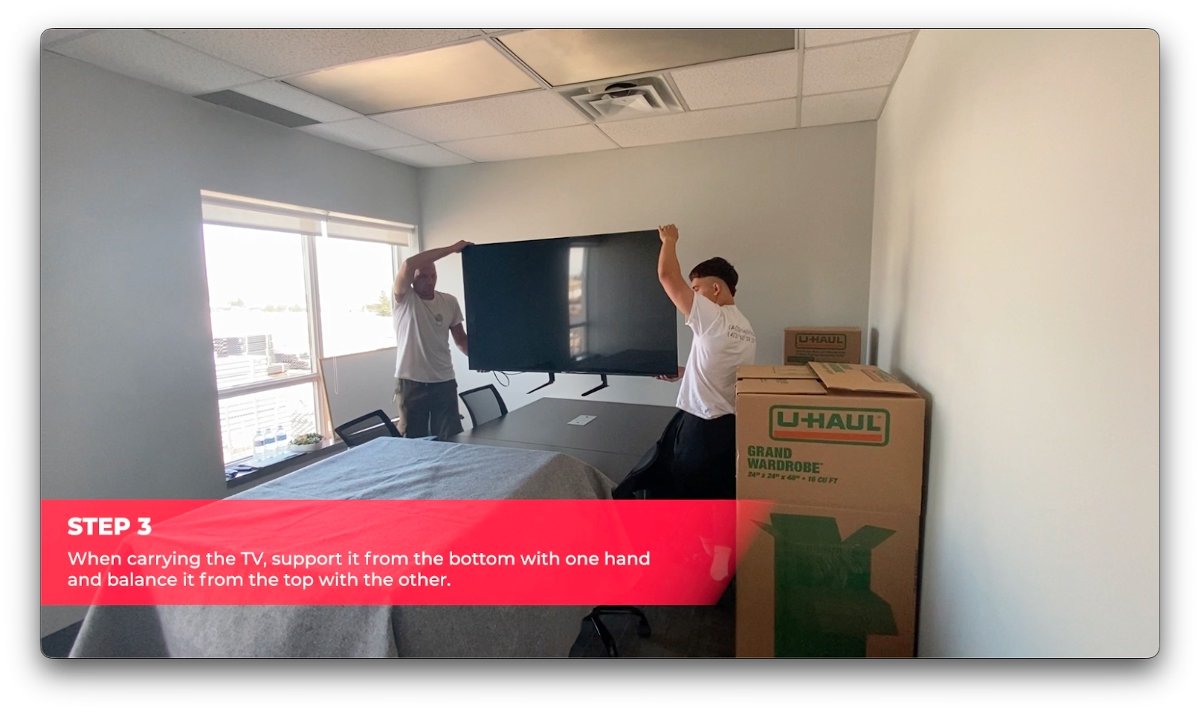
Step 3. When carrying a TV with your friend make sure to hold it from the bottom with one hand and with another keep the balance on top. Do not squeeze to prevent screen damage.
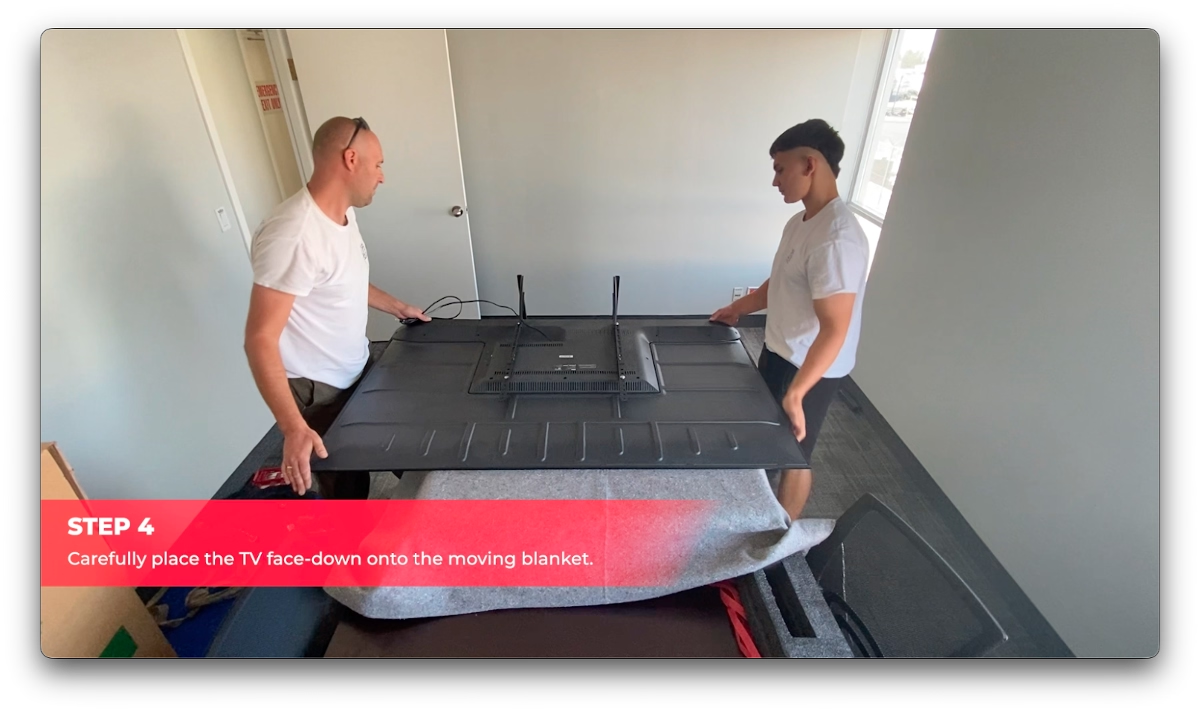
Step 4. Carefully place a TV with its screen down on the moving blanket.
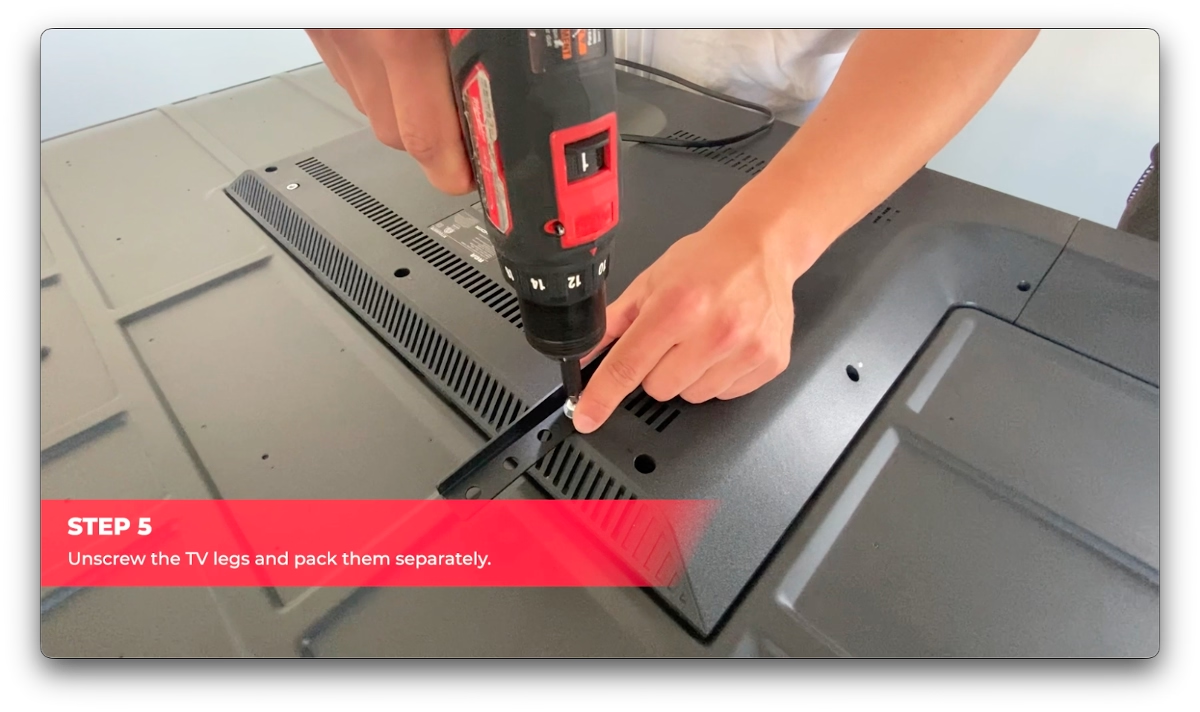
Step 5. Unscrew TV legs and pack them separately. Do not put them inside a TV box unless you have an original box that can hold all parts.
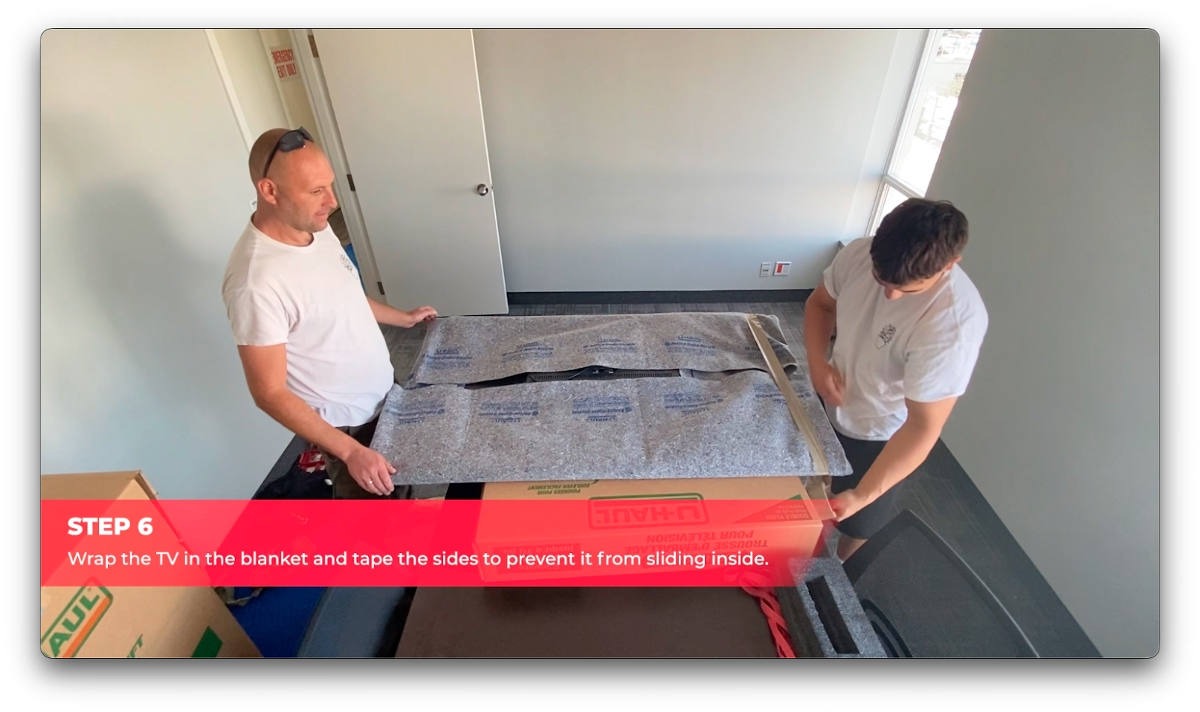
Step 6. Wrap TV in a blanket, tape sides to prevent sliding inside of the blanket.
Step 7. Always lift in pairs, and never lift a TV alone. Put foam corners on the bottom corners of a TV. This prevents TV from shifting inside of a box . When lifting a TV wrapped in a blanket make sure you grab it by the blanket (not by the screen), or lift it from its side.

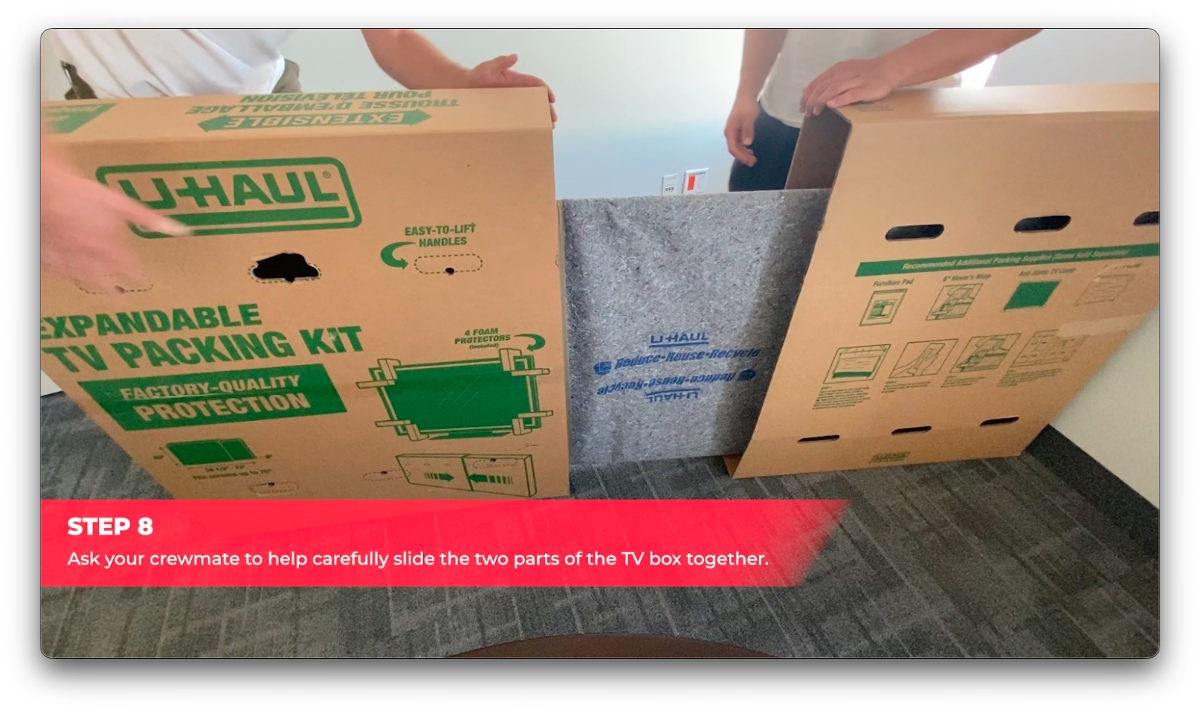
Step 8. Use the help of your friend to carefully slide two parts of a TV box in each other. Another option is to place one end of the box against the wall, and push another part from another end.
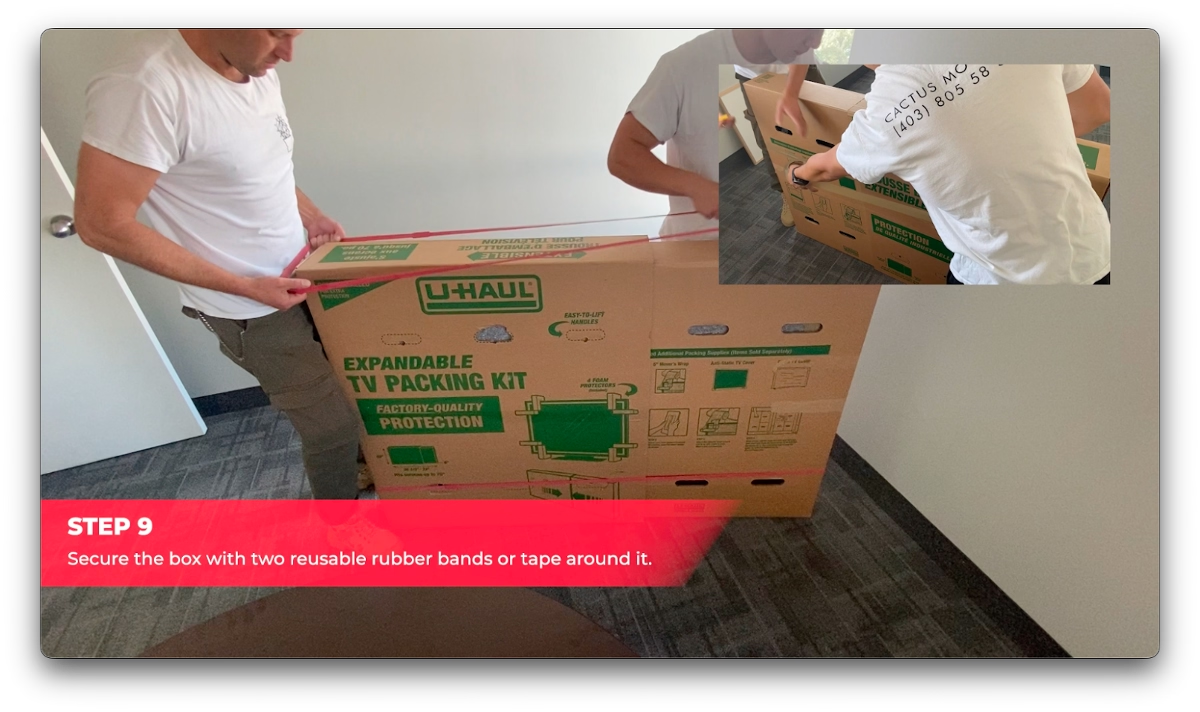
Step 9. Secure box with two reusable rubber bands or use tape by taping it around the box.
How to prepare mirrors and artwork for moving?
Get everything you need before starting: moving blankets, packing tape, scissors.
Step 1. Place the mirror face-down
Lay down padding or a soft blanket on the floor or table to protect the mirror while you work. Put the mirror carefully on the prepared soft surface, face-down so the glass is protected from direct contact with hard surfaces. Always handle it from the sides and avoid pressing on the center of the glass.

Step 2. Wrap with the moving blanket
Lay down a moving blanket with the light blue (inner) side up and place your mirror at the corner part. Make sure the mirror's edges do not protrude beyond the blanket. Fold the corner over the mirror, then continue wrapping it tightly, covering all sides and edges.

Step 3. Secure the wrapping
Use packing tape to secure the moving blanket so it doesn’t shift during handling and transport. Use plenty of tape to keep the moving blanket in place. Use the X-tape method on the sides to prevent the mirror from moving inside. This provides extra protection from accidently sliding out of a blanket while carrying.

Step 4. Carry and load properly
Always carry mirrors upright, never flat. Keep them vertical during transport and secure them tightly against a solid wall inside the truck using straps. Make sure nothing is placed in front of or leaning against the mirror.
Alternative packing methods
If a moving blanket is not available, you can first wrap the mirror in several layers of packing paper to prevent scratches, then add bubble wrap for cushioning. Pay special attention to the corners, as they are the most vulnerable part.
Another option is using cardboard corner protectors combined with two flat sheets of sturdy cardboard placed on both sides of the mirror. Tape the cardboard sheets together securely so the mirror is sandwiched tightly inside.
For maximum protection, you can use a telescoping mirror box or picture box designed specifically for flat fragile items. After wrapping the mirror in paper or a blanket, slide it into the box and fill any empty spaces with packing paper to prevent shifting.
The Golden Rule: No matter which method you choose, mirrors must always be transported upright and properly secured to prevent movement.
When should I hire professional movers?
Some items are just too precious (or too heavy) to risk DIY moving. If you need to move a piano, a pool table, or large antiques, let the professionals handle it.
Cactus Moving specializes in moving fragile and high-value items. Contact us today for a safe move!